
Blog
Casual Shirt Outfits for Men: A 2026 Ryoko Rain Styling Guide
Casual shirt outfits work best when the shirt is treated as a layering piece, not just something to throw on alone. At Ryoko Rain, we build our flannels, pinstripe Oxfords and workwear-inspired shirts so they pair naturally with hoodies, denim and cargo pants, giving you a foundation for outfits that look considered without trying too hard.
Key takeaways
- Treat casual shirts as a middle layer over a tank top or tee rather than wearing them alone for a more finished look
- Match shirt fit to bottom fit: boxier shirts pair with straighter cargo pants or jeans, slimmer shirts with fitted denim
- Keep patterns to one focal point per outfit, pairing a plaid or pinstripe shirt with solid bottoms
- Cold-weather looks work best with a tee, shirt, hoodie, jacket layering order
- A small rotation of two or three shirts from Ryoko Rain can create several distinct outfits across a week
A casual button-up shirt sits in an odd spot in a lot of closets. It’s too dressed-up for a plain tee, but too relaxed for a blazer, so it ends up unworn. The fix isn’t a new shirt, it’s a different approach to what you put around it. This guide walks through how we think about styling these pieces at Ryoko Rain, from fabric choices to layering order to the small details that separate a lazy look from one that reads as deliberate.
Why Casual Shirt Outfits Fall Flat Without Layering
Most attempts at this look fail for one reason: the shirt is asked to do all the work by itself. A plaid flannel buttoned to the top and worn alone can look unfinished, especially in cooler months. The Japanese-inspired streetwear approach we lean on at Ryoko Rain treats the shirt as a middle layer, something that sits over a tank top or tee and under a jacket, so it adds texture rather than standing in isolation.
Think in terms of three layers minimum: a base (tank or tee), the shirt itself, and an outer piece when temperature calls for it. This is the quiet structure behind most casual shirt outfits that actually look put-together, and it’s the framework Ryoko Rain builds its own lookbook pairings around.
Building a Base Layer That Works With Any Shirt
Start with what’s underneath. A plain tank top or a slightly heavier tee gives the shirt something to sit on and lets you leave a few buttons open without it looking sloppy. This is a small detail, but it changes the whole silhouette of the outfit, especially in warmer months when the shirt is worn open rather than buttoned.
From there, the shirt itself sets the tone. A plaid flannel from Ryoko Rain reads more rugged and workwear-leaning, while an Oxford pinstripe shirt leans cleaner and works closer to smart-casual. Neither is more correct than the other, they just point toward different bases. A ribbed tank top suits the flannel’s texture, while a fitted crewneck tee sits cleaner under an Oxford. Fabric weight matters here too: a lighter cotton tee disappears under a heavier flannel, while a thicker tee can start to bunch and add unwanted bulk at the collar.
Sleeve length on the base layer is worth a second thought as well. A short-sleeve tee under a rolled-sleeve flannel keeps the forearm clean, while a long-sleeve base peeking slightly past the shirt cuff reads intentional rather than accidental, a detail Ryoko Rain often works into its own layering photography.
Pairing Shirts With Bottoms: Jeans, Cargos and Sweatpants
The bottoms you choose do more to shape the finished look than most people realize. A flannel shirt over selvedge denim is a classic combination, and it’s one reason the Ryoko Rain jeans collection is built with fades and finishes that hold up next to heavier top layers. Distressed or rhinestone denim adds contrast against a plain shirt, while a subtler wash keeps the outfit quiet if the shirt itself has a bold pattern.
Cargo pants and track pants, also part of that same jeans category at Ryoko Rain, give casual shirt outfits a more utilitarian edge. Pair a solid-colored shirt with cargo pants to avoid competing patterns, and leave the shirt untucked so the pocket details on the pants stay visible. Sweatpants work too, but only with a slightly boxier shirt fit, since a slim button-up next to loose sweatpants can look mismatched in proportion.
| Shirt Style | Best Bottoms | Layer Over |
|---|---|---|
| Plaid flannel | Selvedge denim, distressed jeans | Tank top or plain tee |
| Oxford pinstripe | Straight-leg jeans, chino-style cargos | Fitted tee |
| Solid button-up | Cargo pants, track pants | Tank top |
Layering for Cold Weather
Once temperatures drop, the shirt moves from outer layer to middle layer. A flannel shirt worn open over a hoodie, then closed under a jacket, is one of the more reliable ways to build casual shirt outfits for late fall and winter. Ryoko Rain jackets are cut with enough room to layer a hoodie and shirt underneath without feeling bulky, which matters more than people expect once you’re stacking three pieces.
Keep the hoodie’s color quiet if the shirt has a strong plaid or stripe, and let the jacket be the neutral anchor. This layering order, tee, shirt, hoodie, jacket, is the backbone of cold-weather looks and it scales down easily for milder days by dropping the jacket. On genuinely cold mornings, a heavier Ryoko Rain hoodie under the jacket adds warmth without changing the visible silhouette much, since the shirt collar and cuffs still show through.
Fit and Proportion Rules That Actually Matter
Fit is where a lot of these outfits quietly go wrong. A shirt that’s too slim next to loose cargo pants creates an odd top-heavy silhouette, while an oversized shirt over skinny jeans can swallow the lower half entirely. The goal is balance: if the bottoms are loose, keep the shirt closer to the body, and if the shirt is boxier, choose a straighter or slimmer pant.
Sleeve length matters too. Rolled sleeves on a flannel or Oxford add a bit of ease and work well whether the shirt is buttoned or left open over a tank top. Shoulder seams are another detail worth checking: a shirt with dropped shoulders reads more relaxed and pairs naturally with wider cargo pants, while a shirt with a closer shoulder seam looks sharper next to slimmer denim. It’s a small adjustment, but it reads as intentional rather than accidental.
Color and Pattern Pairing Without Overthinking It
Plaid and pinstripe are the two pattern families you’ll run into most in a Ryoko Rain casual shirt lineup, and both are easier to style than they look. The rule to come back to for casual shirt outfits: if the shirt has a pattern, keep the base layer and bottoms solid. If the shirt is solid, that’s the moment to bring in a patterned or distressed denim piece instead.
Neutral tones (olive, stone, faded indigo, black) sit comfortably under almost any shirt style, which is part of why they show up so often across Ryoko Rain’s hoodies, jackets and pants. Building around a neutral base gives you more mileage from fewer pieces, since the shirt becomes the variable rather than everything at once.
A Simple Weekly Rotation Using One Shirt
Here’s the practical framework worth trying if you’re working from a single shirt and want several distinct looks out of it across a week:
- Day 1: Shirt open over a tank top, straight-leg jeans, sneakers.
- Day 2: Shirt buttoned, tucked into cargo pants, minimal layering.
- Day 3: Shirt under a hoodie, sleeves visible at the cuff, sweatpants below.
- Day 4: Shirt layered under a jacket, denim on the bottom, everything else pared back.
This kind of rotation is how Ryoko Rain thinks about wardrobe efficiency: fewer pieces, more combinations, and casual shirt outfits that don’t repeat the exact same silhouette twice in a week. You can browse the full range, including flannels, Oxfords and the pieces they pair with, at Ryoko Rain, where colorways and fits are grouped so it’s easy to see what layers well together.
Frequently asked questions
What’s the easiest way to make a casual shirt look less basic?
Layer it over a tank top or tee and leave a few buttons open rather than wearing it alone and fully buttoned. This single change is behind most looks that read as styled rather than default.
Should I tuck a casual button-up shirt into jeans?
It depends on fit. A slimmer shirt with straight-leg or selvedge denim looks cleaner tucked, while a boxier flannel usually reads better left untucked over cargo pants or looser jeans.
Can I wear a flannel shirt with sweatpants?
Yes, but choose a shirt with a slightly relaxed fit so the proportions match. A very slim shirt next to loose sweatpants tends to look mismatched.
What should go under a casual shirt in warmer weather?
A tank top or lightweight tee works well and lets you leave the shirt open without exposing too much. It’s a simple way to keep the layered look breathable in summer heat.
How many shirts do I actually need for a solid rotation?
Two or three, in different patterns like plaid and pinstripe, cover most weekly rotations when paired with a few bottoms from a jeans and cargo pants lineup like Ryoko Rain’s.
Related Posts
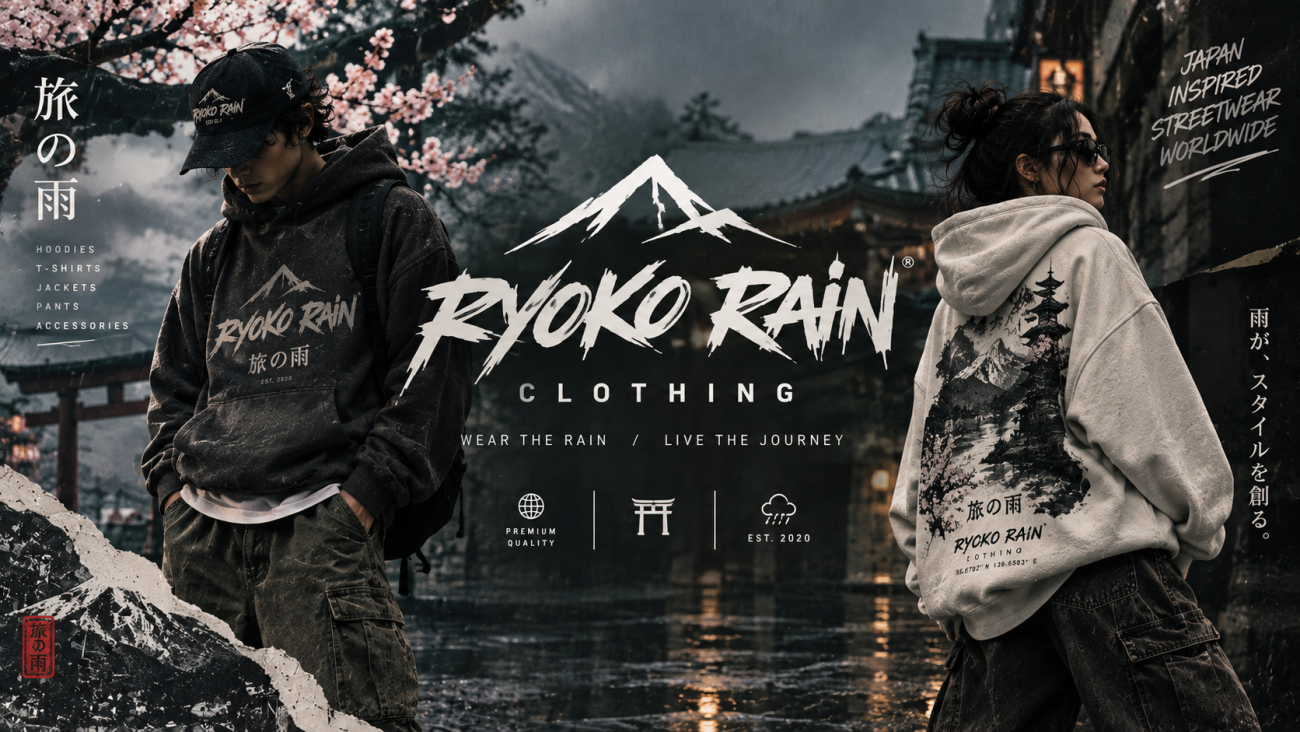
Tank Top Outfits for Men: The 2026 Ryoko Rain Guide
-
Posted by
Ryoko Rain
Practical tank top outfits for men in 2026, from layered streetwear looks to warm-weather basics, styled the Ryoko Rain way.
Ryoko Rain Jeans Outfits for Men: A 2026 Styling Guide
-
Posted by
A practical 2026 guide to building jeans outfits for men, from selvedge denim to layered jackets, with real pairing ideas from Ryoko Rain.
Ryoko Rain Sweatpants Outfits for Men in 2026: A Styling Guide
-
Posted by
Sweatpants outfits for men don’t have to look sloppy. Here’s how to style Ryoko Rain sweatpants with hoodies, jackets and tees for a sharp, elevated look.
Ryoko Rain T-Shirt Outfits for Men: A 2026 Styling Guide
-
Posted by
A practical guide to t-shirt outfits for men, from layering tees under jackets to pairing them with denim and cargo pants, styled the Ryoko Rain way.
Ryoko Rain Shorts Outfits for Men: A 2026 Styling Guide
-
Posted by
Practical shorts outfits for men who want a Japanese-inspired streetwear look that still reads considered, not lazy summer basics.
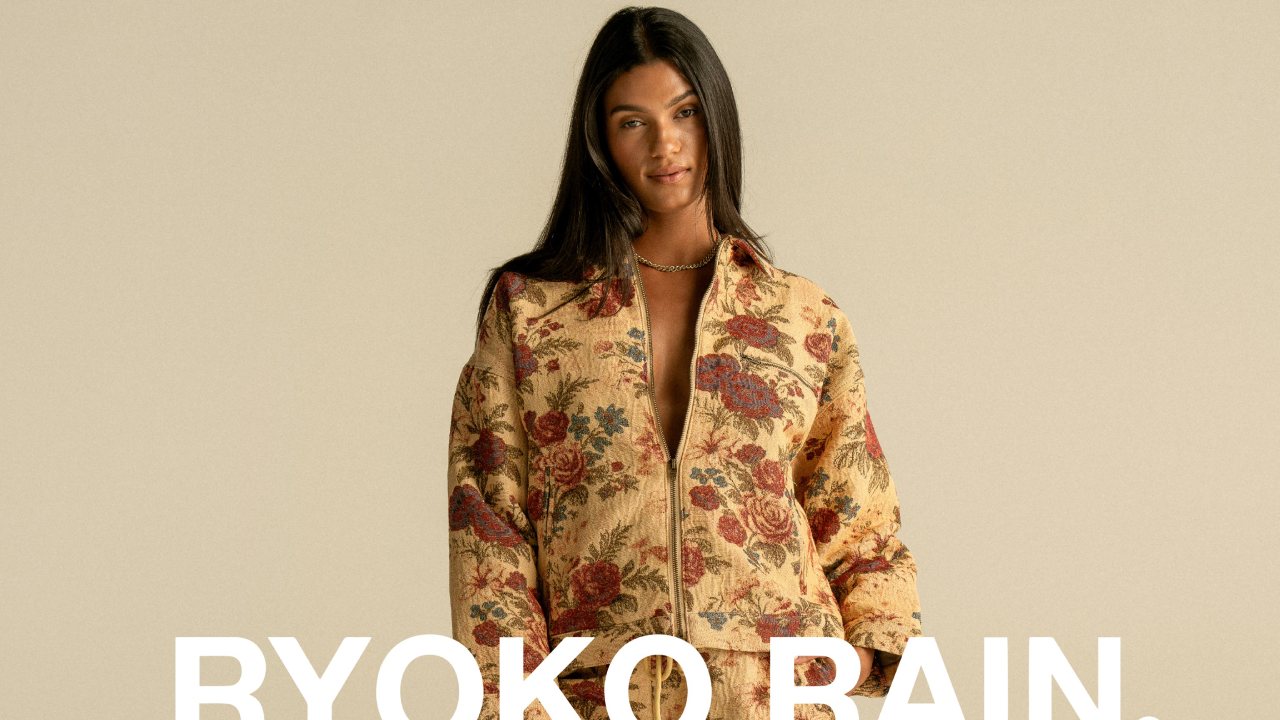
Ryoko Rain Hoodie Styling Guide 2026: 5 Ways to Wear It
-
Posted by
A Ryoko Rain hoodie styling guide covering layering, fits, fabrics and five outfit formulas for 2026.
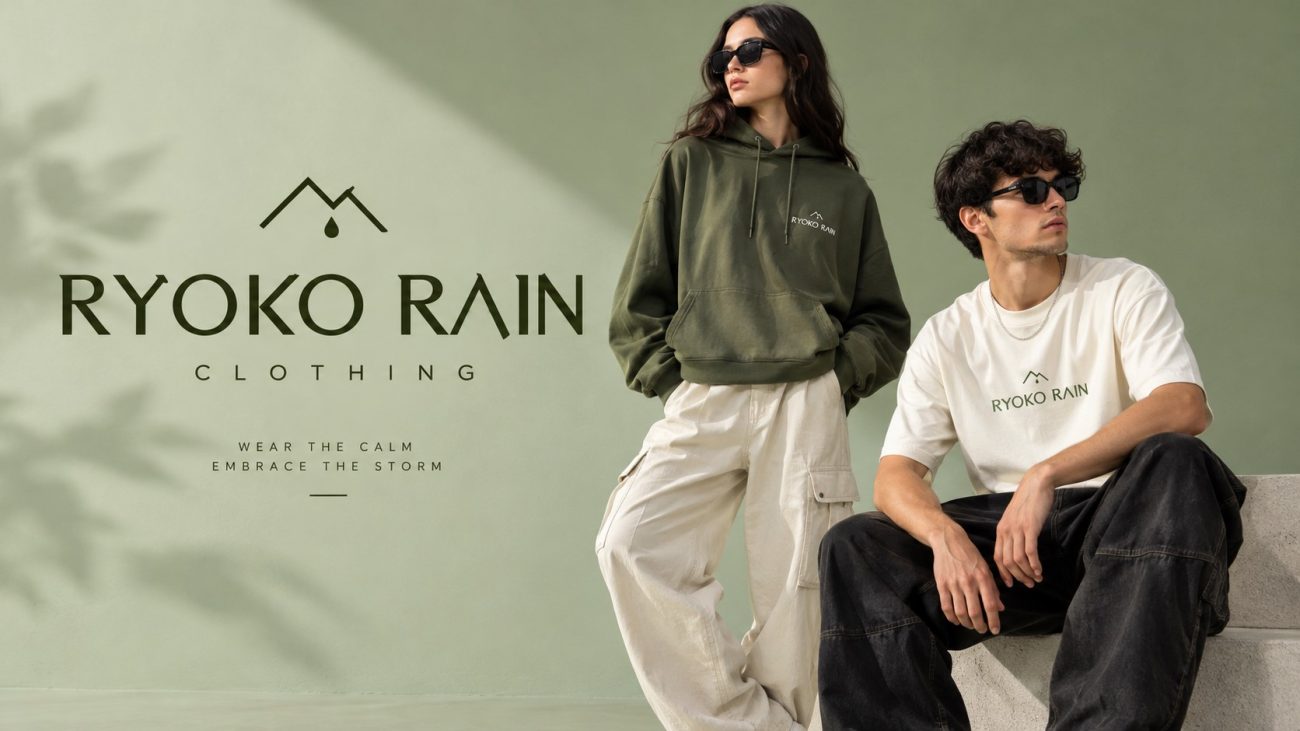
[NEEDS REVIEW] Tank Top Outfits for Men: 2026 Styling Guide
-
Posted by
Tank top outfits for men work best when you treat the tank as a foundation piece, not an afterthought. Here’s how to build yours for 2026.
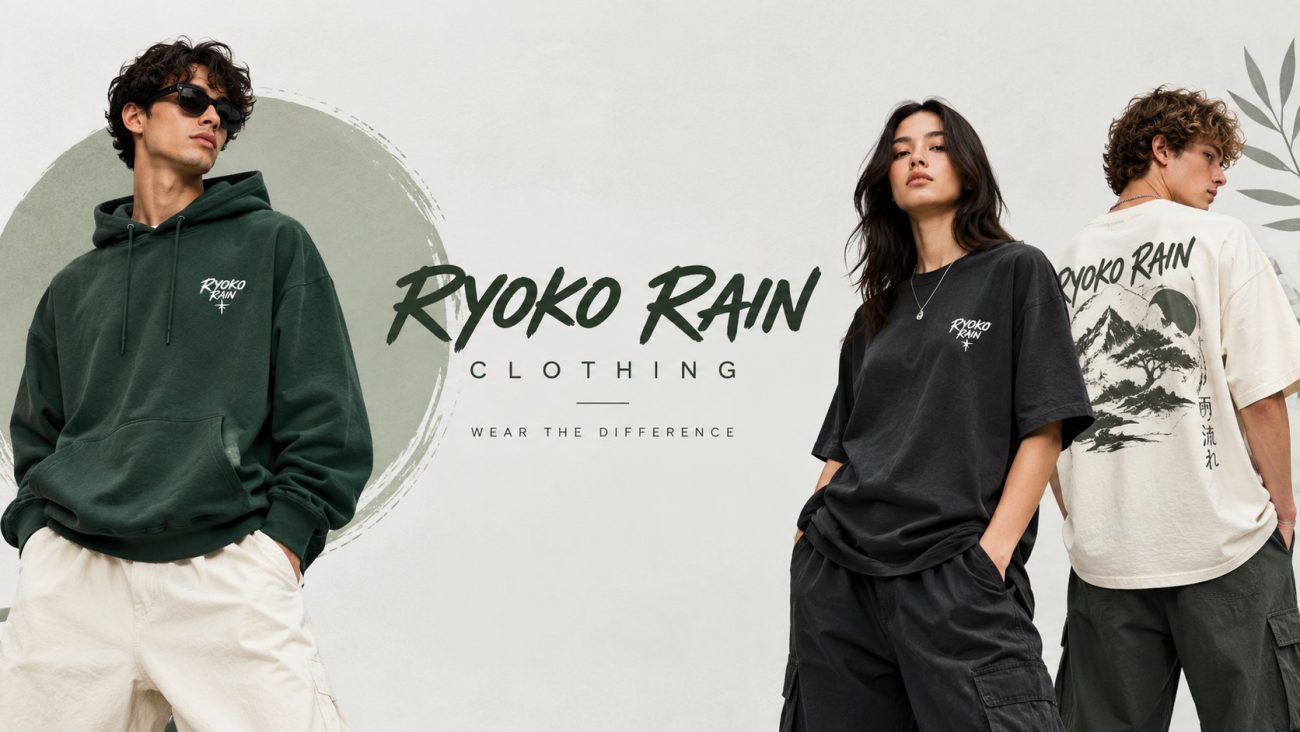
[NEEDS REVIEW] Casual Shirt Outfits for Men: 2026 Styling Guide
-
Posted by
Casual shirt outfits for men that work for 2026: pairings with jeans, cargos, shorts and layers from Ryoko Rain.
[NEEDS REVIEW] Best Ryoko Rain Tank Top Looks to Wear in 2026
-
Posted by
Discover the best tank top looks for 2026, from layered streetwear fits to warm-weather staples, built around the Ryoko Rain tank tops collection.
Best Ryoko Rain Casual Shirt Looks to Wear in 2026
-
Posted by
Our favorite Ryoko Rain casual shirt looks for 2026, from layered flannels to clean Oxford pairings that work for everyday streetwear.
Best Ryoko Rain T-Shirt Looks to Wear in 2026
-
Posted by
Discover the best Ryoko Rain t-shirt looks for 2026, from layered streetwear to clean minimal fits that work year round.
[NEEDS REVIEW] Best Ryoko Rain Sweatpants Looks to Wear in 2026
-
Posted by
Discover the best Ryoko Rain sweatpants looks for 2026, from clean layered fits to workwear-inspired pairings that feel premium, not basic.