
Blog
Ryoko Rain Jacket Outfits for Men: A 2026 Styling Guide
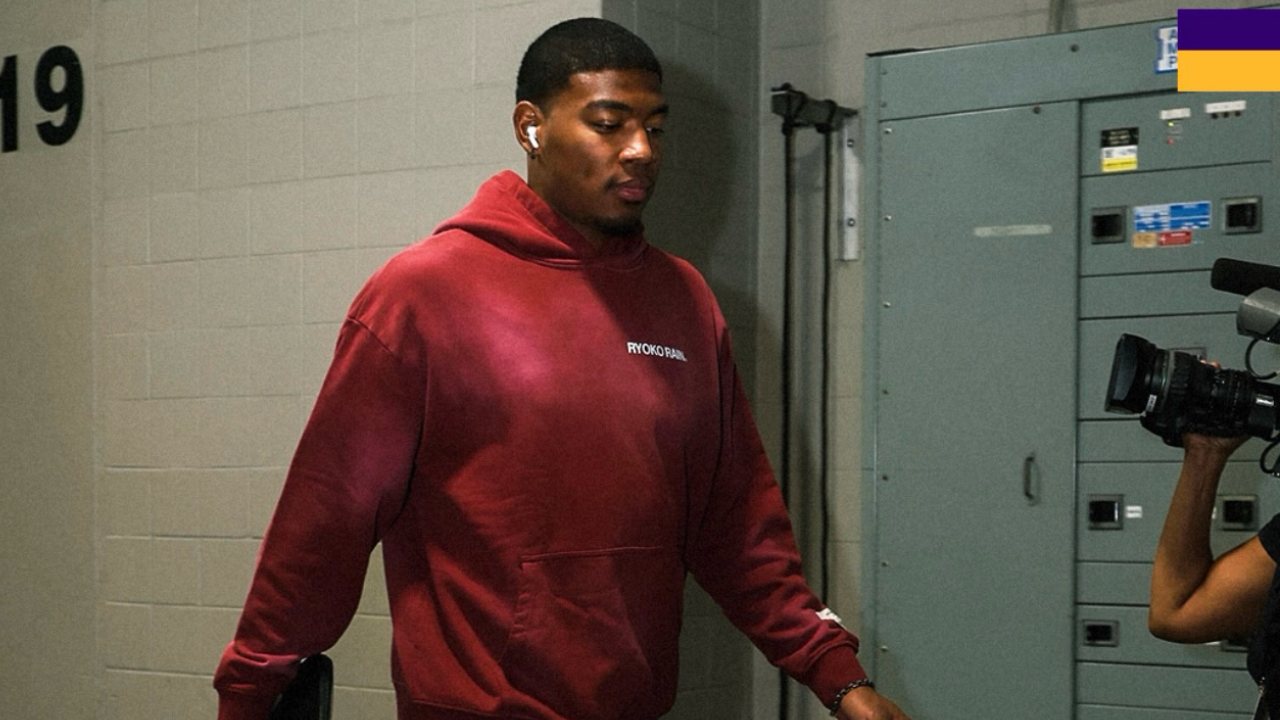
Jacket outfits for men work best when the jacket sets the silhouette and everything underneath supports it, rather than competing with it. At Ryoko Rain, we build jackets around clean lines and Japanese-inspired workwear detail, which means they pair naturally with denim, tees, hoodies and sweatpants without much guesswork. This guide breaks down how to actually wear one, season by season, without overthinking it.
Key takeaways
- Build jacket outfits for men around three layers: base tee, mid hoodie or flannel, and outer jacket.
- Match jacket volume to pant volume, pairing roomier jackets with slimmer denim and closer-cut jackets with cargo or track pants.
- Use a simple color rule of one neutral, one accent and one texture to avoid clashing layers.
- Adjust the same framework seasonally by dropping or adding the mid layer rather than buying new pieces.
- Two solid jackets, one heavier and one lighter, are enough to cover most of the year in rotation.
Whether you’re new to layering or you already own a few pieces from our Ryoko Rain lineup, the goal here is practical: fewer wasted purchases, more outfits you’ll actually reach for. We’ll cover fit, fabric pairing, color logic and a simple framework for building jacket outfits for men that hold up from October through March.
Why Jacket Outfits for Men Fail (and How to Fix It)
Most jacket outfits for men fall apart for one of three reasons: the jacket is too boxy for the pants underneath, the layers underneath are too bulky, or the colors clash instead of complementing. Ryoko Rain jackets are cut with a slightly structured shoulder and a straight body, which gives you room to layer a hoodie or tee without looking swollen.
The fix is simple. Match jacket volume to pant volume. A roomier jacket wants a slimmer leg underneath, like selvedge denim jeans, while a closer-cut jacket can handle a fuller cargo pant or track pant without the whole outfit reading as sloppy. Ryoko Rain’s jeans and pants category includes both tapered denim and convertible cargo styles, so you can dial this balance in either direction.
The Three-Layer Framework
Here’s the practical angle most guides skip: build every jacket outfit in three layers, not two. Base layer (tee or tank), mid layer (hoodie or flannel), outer layer (the jacket). This gives you texture depth and lets you adjust for temperature without changing the whole outfit.
- Base: a plain or subtly graphic Ryoko Rain tee, or a tank top under an open jacket in warmer months.
- Mid: a hoodie for cold days, or a plaid flannel button-up for a workwear look with more texture.
- Outer: the jacket itself, left open to show the mid layer, or zipped for a cleaner line.
This three-layer approach is the easiest way to get consistent jacket outfits for men without relying on trend-driven pieces that age out fast.
Pairing Jackets with Denim and Pants
Selvedge denim jeans are the most reliable pairing for a structured jacket because the fabric weight matches. A darker wash keeps things clean for evening wear, while distressed rhinestone jeans add a bit of edge if you want the outfit to lean less workwear and more statement piece. For a deeper dive on denim pairing specifically, our selvedge denim outfit guide covers wash combinations in more detail.
Cargo pants and track pants are the other option, and they change the mood of the outfit entirely. A cargo pant under a jacket reads more utilitarian and pairs well with boots or clean sneakers. Track pants soften the whole look and work best with a cropped or bomber-style jacket rather than anything long and structured.
Building Around the Ryoko Rain Jacket Collection
Every jacket in the Ryoko Rain jacket collection is designed to sit at the center of an outfit rather than as an afterthought over a plain hoodie. That means paying attention to collar shape, pocket placement and hem length before you buy, since those details decide what you can layer underneath and how long the jacket sits over your pants.
If you’re shopping for one jacket that does the most work, look for a mid-length cut in a neutral color. It layers over hoodies and flannels equally well, and it won’t fight with patterned tees or Oxford pinstripe shirts if you want to dress the outfit up slightly for going out.
Color Logic That Actually Works
Jacket outfits for men get complicated fast when color enters the mix, so keep it to a simple rule: one neutral, one accent, one texture. The jacket and pants can share a neutral tone (black, olive, stone), while the mid layer carries the only real color or pattern, like a plaid flannel or a graphic tee.
| Jacket color | Pants pairing | Mid layer suggestion |
|---|---|---|
| Black | Dark selvedge denim | Gray hoodie |
| Olive | Stone cargo pants | Plaid flannel |
| Stone or tan | Distressed rhinestone jeans | White or graphic tee |
This table is a starting point, not a rulebook. Once you understand why the pairings work, you can swap in any Ryoko Rain piece and keep the same logic.
Seasonal Adjustments
In fall and early winter, a heavier jacket over a hoodie and jeans is the default for most days in the 40 to 60 degree range. As temperatures drop further, swap the tee base layer for a heavier long-sleeve and consider sweatpants instead of denim for days spent mostly outdoors, since our Artists and Athletes sweatpants pair cleanly with a shorter bomber-style jacket.
In spring, lighten the jacket outfits for men equation by dropping the mid layer entirely on warmer afternoons. A tank top or tee under an open jacket, with shorts or lighter jeans, keeps the same silhouette logic without the bulk. Ryoko Rain’s shorts work well here for anyone wanting a warm-weather version of the same layered look.
Common Mistakes to Avoid
The biggest mistake is treating the jacket as an accessory instead of the anchor piece. If you build the outfit from the pants up, you’ll often end up with a mismatch in proportion. Start with the jacket, then work down to pants and shoes.
The second mistake is over-layering in warm weather, which makes even a well-cut Ryoko Rain jacket look heavier than it is. Drop a layer before you add one, and check the outfit in natural light before you leave the house. For a broader look at layering across the whole wardrobe, our streetwear layering guide has more on seasonal adjustments beyond just jackets.
Frequently asked questions
What should I wear under a Ryoko Rain jacket in cold weather?
A hoodie is the most reliable mid layer for cold weather, since it adds warmth without adding much bulk under a structured jacket. On colder days, pair it with a base tee and jeans or sweatpants depending on how much wind protection you need.
Can I wear a jacket with sweatpants?
Yes, a shorter or cropped jacket pairs well with sweatpants, especially in a matching or neutral tone. Keep the jacket relatively fitted so the outfit doesn’t read as oversized on top and bottom at once.
What jacket length works best for most body types?
A mid-length jacket that hits around the hip is the most versatile choice overall, since it works over both slim jeans and roomier cargo pants without changing proportion drastically.
Should the jacket or the pants be the focal point of the outfit?
The jacket should usually lead, since it’s the largest visible piece and sets the tone for color and texture. Keep pants in a supporting neutral unless you’re intentionally building a statement piece around distressed or patterned denim.
How many jackets do I actually need in rotation?
Two is usually enough: one heavier structured jacket for fall and winter, and one lighter or cropped style for spring. Building your rotation around two solid pieces, rather than five trend-driven ones, keeps the wardrobe easier to manage.
Final Thoughts on Jacket Outfits for Men
Getting jacket outfits for men right isn’t about owning more pieces, it’s about understanding how volume, color and texture interact across three layers. Once that clicks, a single well-made jacket from Ryoko Rain can carry you through most of the fall and winter wardrobe rotation. We built our jacket collection with that flexibility in mind, so pairing it with jeans, cargo pants, hoodies or flannels should feel intuitive rather than fussy. Start with one jacket, apply the framework above, and build out from there.
Related Posts
Tank Top Outfits for Men: The 2026 Ryoko Rain Guide
-
Posted by
Ryoko Rain
Practical tank top outfits for men in 2026, from layered streetwear looks to warm-weather basics, styled the Ryoko Rain way.
Ryoko Rain Jeans Outfits for Men: A 2026 Styling Guide
-
Posted by
A practical 2026 guide to building jeans outfits for men, from selvedge denim to layered jackets, with real pairing ideas from Ryoko Rain.
Ryoko Rain Sweatpants Outfits for Men in 2026: A Styling Guide
-
Posted by
Sweatpants outfits for men don’t have to look sloppy. Here’s how to style Ryoko Rain sweatpants with hoodies, jackets and tees for a sharp, elevated look.
Ryoko Rain T-Shirt Outfits for Men: A 2026 Styling Guide
-
Posted by
A practical guide to t-shirt outfits for men, from layering tees under jackets to pairing them with denim and cargo pants, styled the Ryoko Rain way.
Casual Shirt Outfits for Men: A 2026 Ryoko Rain Styling Guide
-
Posted by
Casual shirt outfits don’t have to look thrown together. Here’s how to build them with flannels, Oxfords and layers from Ryoko Rain.
Ryoko Rain Shorts Outfits for Men: A 2026 Styling Guide
-
Posted by
Practical shorts outfits for men who want a Japanese-inspired streetwear look that still reads considered, not lazy summer basics.
Ryoko Rain Hoodie Styling Guide 2026: 5 Ways to Wear It
-
Posted by
A Ryoko Rain hoodie styling guide covering layering, fits, fabrics and five outfit formulas for 2026.
[NEEDS REVIEW] Tank Top Outfits for Men: 2026 Styling Guide
-
Posted by
Tank top outfits for men work best when you treat the tank as a foundation piece, not an afterthought. Here’s how to build yours for 2026.
[NEEDS REVIEW] Casual Shirt Outfits for Men: 2026 Styling Guide
-
Posted by
Casual shirt outfits for men that work for 2026: pairings with jeans, cargos, shorts and layers from Ryoko Rain.
[NEEDS REVIEW] Best Ryoko Rain Tank Top Looks to Wear in 2026
-
Posted by
Discover the best tank top looks for 2026, from layered streetwear fits to warm-weather staples, built around the Ryoko Rain tank tops collection.
Best Ryoko Rain Casual Shirt Looks to Wear in 2026
-
Posted by
Our favorite Ryoko Rain casual shirt looks for 2026, from layered flannels to clean Oxford pairings that work for everyday streetwear.
Best Ryoko Rain T-Shirt Looks to Wear in 2026
-
Posted by
Discover the best Ryoko Rain t-shirt looks for 2026, from layered streetwear to clean minimal fits that work year round.